Real Estate

Dunwoody’s historic properties.

Farmhouse 300dpi
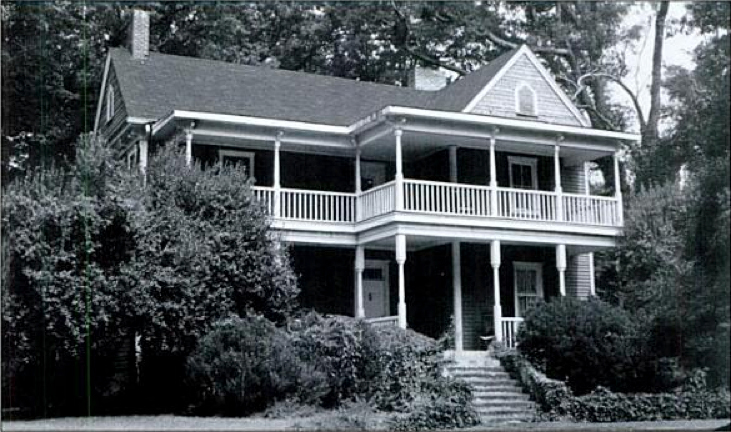
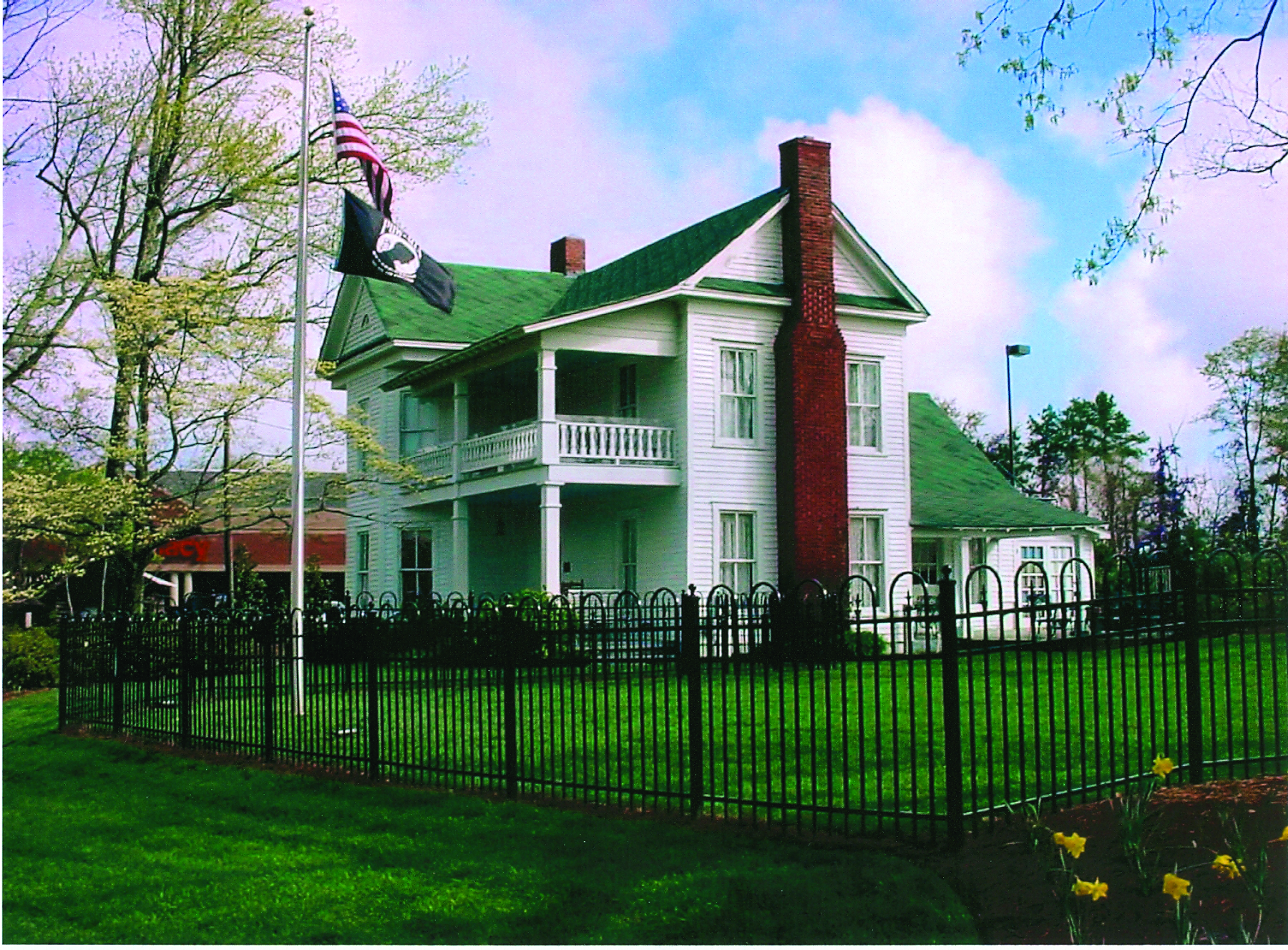
The Cheek-Spruill home, circa 1906, at the corner of Chamblee Dunwoody and Mt. Vernon Roads.

In Dunwoody, Ga., there are 27 properties that remain as part of its near 200-year past. Most date from early to mid 1800s and include private homes, churches, cemeteries and two historic homes that are open to the public. White wooden signs mark most of Dunwoody’s historic properties. Three, however, are listed on the National Register of Historic Places.

What’s the difference?

The Dunwoody Preservation Trust has identified and erected the white wooden markers for structures and cemeteries that remain from Dunwoody’s earliest days. The markers put a spotlight on the properties as part of its past, but that’s all. Most are privately owned by homeowners that love and appreciate their home’s history, but there are no additional restrictions on how or what the homeowners may do with their properties.

Thanks to the valiant efforts of the Dunwoody Preservation Trust’s first president Lynne Byrd, three properties— the Cheek-Spruill House; the Donaldson-Bannister Farm and Cemetery; and the Isaac Roberts House, a private home at Spalding and Roberts Drive— have been placed on the National Register. Consideration for the designation requires much research and paperwork, and no or little architectural change from the structure’s original design.

What are the restrictions on National Register properties?

To maintain the designation, properties can not be altered without approval of plans and designs that are in keeping with the original design. Beyond that, there are no restrictions, including destruction.

The Donaldson-Bannister Farm is currently undergoing a massive renovation spearheaded by the Dunwoody Preservation Trust and the City of Dunwoody. The property is owned by the city and is considered a public park. The beautiful gardens are open for visitors and tours of the home are available by appointment.

The Cheek-Spruill House is owned by the Dunwoody Preservation Trust. It is partially leased by a law firm, but open to visitors.

Learn more about Dunwoody’s historic properties here: https://dunwoodypreservationtrust.org/properties-houses-cemeteries/

Real Estate

Buying a house? Know your negotiation points.

Whether you are a first-time homebuyer or a seasoned veteran, the negotiation part of the transaction can be daunting and stressful. Above and beyond the purchase price, what should you be prepared to negotiate when buying a home?

  1. Closing costs. Your closing costs are determined by a variety of factors, but you can expect it to be between 2% to 4% of the purchase price. Ask the seller to cover some or all of the closing costs upfront or request a closing credit that can be used to make specific updates and fixes to the home.
  2. Inspection and closing timing. Buyer offers that include a quick inspection and close timeline are often more attractive to sellers who have been going through the process for far too long. Just ensure you allow yourself ample time to get your financing in place and complete proper, thorough inspections.
  3. Home warranty. Sellers will often agree to pay the premium on the home warranty at closing and then hand it off to the new homeowner, who is responsible for the deductible on any future claims.
  4. Inspection items. Your inspection may uncover small or large repairs needed to bring the home up to standard. You can negotiate to have these items fixed before closing or ask for a price reduction to cover the costs.
  5. Furnishings. Though this is often best negotiated after a contract is in place, buyers often negotiate keeping couches, fixtures, landscaping items, patio furniture, appliances, and more. Sellers often agree, making a win-win for both parties.
Real Estate

Dunwoody: One ‘o’ or two?

Two. (But only for a post office error.)

Creek Indians settled along the banks of the Chattahoochee River, but it is Maj. Charles Dunwody — just one ‘o’ in his name— that is considered Dunwoody’s earliest pioneer. Raised in Roswell’s Mimosa Hall—which still stands today—Charles returned to the area after the Civil War. He purchased farm land, two horses and built his home at the intersection of Chamblee Dunwoody and Spalding Roads not far from a railroad stop that connected Roswell and downtown Atlanta. Dunwody raised his family there and new families settled close by.

Fifteen or so miles from burgeoning Atlanta, the area was popular for summer homes for many businessmen and their families.

The spelling error occurred with Dunwody’s petition to open a post office for the community. A clerk added an ‘o’ to the application, and the community of Dunwoody was born. Dunwoody became an official city more than 125 years later, on December 1, 2008.

Learn more Dunwoody history on this video produced by the Dunwoody Preservation Trust.